

2. Structure and Properties of Matter - Nanotechnology in Medicine
Article Summary
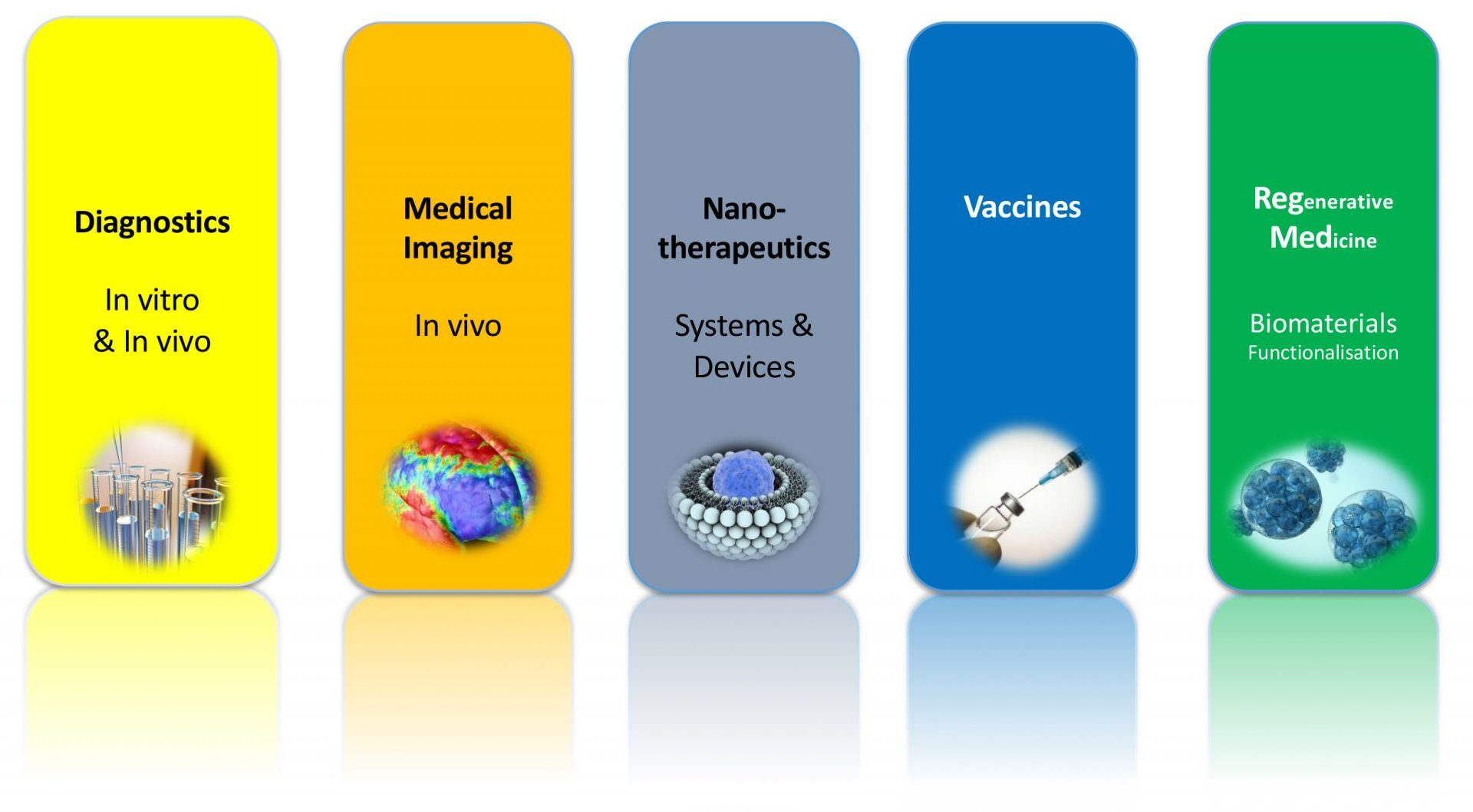
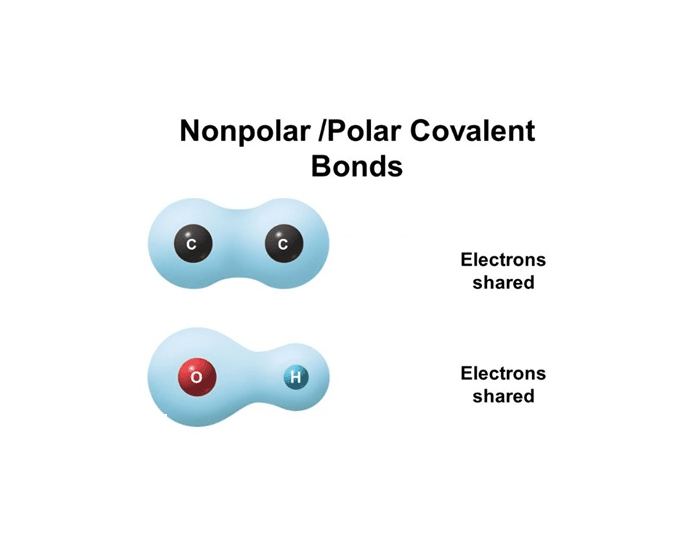
The following article examines the exact meaning of nanotechnology through the lens of a medical application. In the early stages, the reasoning behind their investigation had to be identified. It began with a simple question: how can we use nanotechnology to directly attack abnormal or diseased cells, rather than relying on medicinal drugs that break down in the body? The scientists then continued by looking at past lab experiments that involved the use of extremely small "medical carriers." These were called liposomes and micelles. They studied these medical carriers and examined how they passed through the body. Their major findings included the difference in how the materials reacted when they were shrunken down to these tiny medical carriers (nanoscale). When their size was changed, they realized the drugs could break down more slowly, lowering their toxicity to the body. The article specifically goes over the connection to chemotherapy. When nanotechnology is used, instead of the treatment harming both the cancerous and healthy cells, the chemotherapy will directly target the tumour. This can be connected to the course through molecular polarity. As we know, there are polar and non-polar covalent bonds. This matters because of the effectiveness of the treatments in the human body. Nanomedicine uses liposomes and micelles that have a polar head and a non-polar tail. This prevents the treatment from clumping up in the human body. If blood is mostly water, which we know to be highly polar, is injected with the treatment, which is non-polar (most of them are), it would clump up, causing the treatment to be ineffective. By using the liposomes and micelles with a polar head and non-polar tail, treatment will be less toxic and painful.
Malik, S., Muhammad, K., & Waheed, Y. (2023, September 14).
Emerging applications of nanotechnology in healthcare and
medicine. Molecules, 28(18).
Create Your Own Website With Webador